Ihr Zugriff auf Autodesk-Produkte zu Schulungszwecken läuft in 30 Days ab. Sollten Sie weiterhin berechtigt sein, setzen Sie sich bitte zur Verlängerung Ihres Zugriffs um ein weiteres Jahr mit uns in Verbindung.
Sep 14, 2026

 4
4 

Ihr Zugriff auf Autodesk-Produkte zu Schulungszwecken läuft in 30 Days ab. Sollten Sie weiterhin berechtigt sein, setzen Sie sich bitte zur Verlängerung Ihres Zugriffs um ein weiteres Jahr mit uns in Verbindung.
Sep 14, 2026
 4
4
Nachbearbeitung Bilder: Wenn du bereits einen Plan hast wird der Unterschied ev nicht mehr so gross sein wenn ich noch etwas daran mache. Bin bei meiner Idee von den Bildern ausgegangen mit welchen ich gearbeitet habe – also vermutlich noch vor deinen RFI tweaks? Lass uns doch ein Sample machen zum Vergleich, du gibst mir die roh Bilder und die von dir bearbeiteten, ich schau dann ob ich es überhaupt noch sinnvoll finde.
Sep 14, 2026
 4
4
Das Adjektiv tipptopp leitet sich zwar vom englischen tiptop ab, wird im Deutschen aber mit vier p geschrieben – auch nach alter Rechtschreibung: Sie war stets tipptopp gekleidet.
Aug 20, 2026
 3
3
Wir und unsere bis zu 141 Partner erheben und verarbeiten personenbezogene Daten (wie z.B. IP-Adressen, Datenschutzeinstellungen, Cookies, Werbe-IDs oder Geräte-Kennungen), um unser Webangebot zu verbessern und zu finanzieren. Die Verarbeitung kann auch außerhalb der EU erfolgen, wo unter Umständen kein vergleichbares Datenschutzniveau herrscht. In diesem Fall könnten lokale Behörden die übermittelten Daten verarbeiten. Weitere Informationen zu den Orten der Verarbeitung finden Sie hier.
Aug 20, 2026
 4
4
Dieses Baums Blatt, der von Osten
Meinem Garten anvertraut,
Giebt geheimen Sinn zu kosten,
Wie ‘s den Wissenden erbaut.
Ist es Ein lebendig Wesen
Das sich in sich selbst getrennt,
Sind es zwey die sich erlesen,
Dass man sie als eines kennt.
Solche Frage zu erwiedern
Fand ich wohl den rechten Sinn;
Fühlst du nicht an meinen Liedern
Dass ich Eins und doppelt bin?
Aug 20, 2026
 3
3
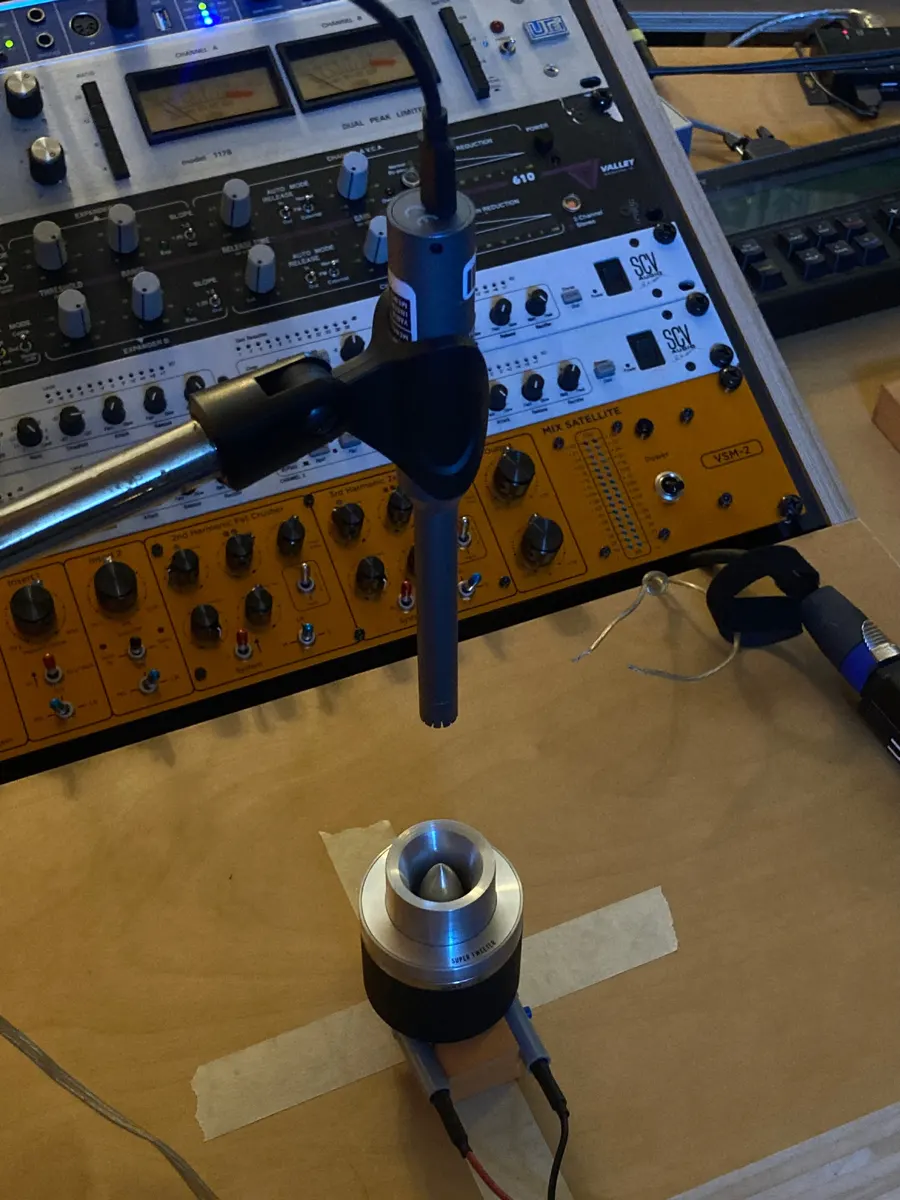
Tweeters is a love thing. We use them everywhere. On the listening room in the workshop, on the Varia Sound System, on Simons Hi-Fi system, even on our mobile PA. Why? Because we love the clearness they bringt o a sound. Yes, it is for pleasure, yes, it might kinda coloring the sound, but hey - disco is about fun. If we’re looking for the most linear signal, we put all the controls of our mixers on 12 o’clock and listen on our Genelec studio monitors.
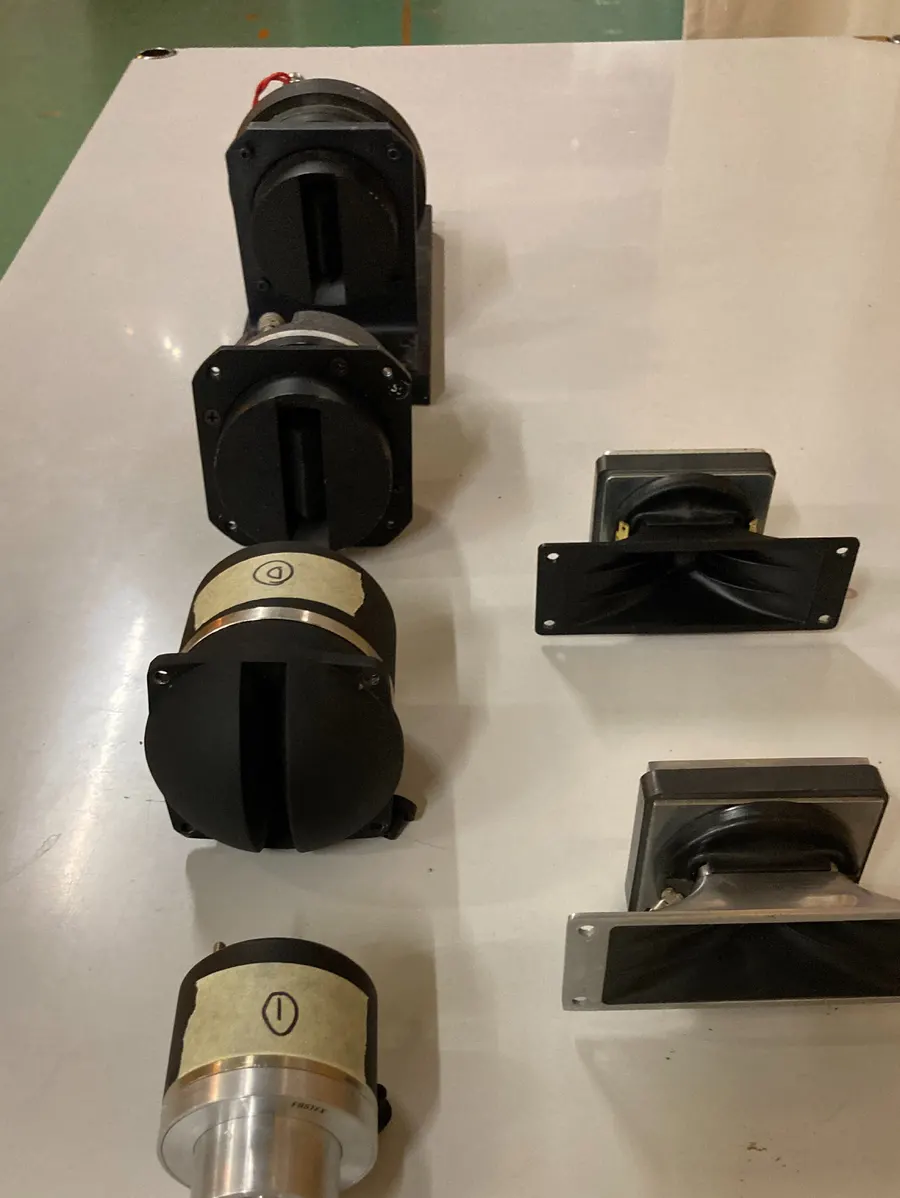
So, the question quickly arose: What is the best tweeter? During the past years we were collecting quite some tweeters. Especially the JBL2405 can be seen often on top of our systems. Why is that? When we met Mr.Alex Rosner himself in his office in New York City in 2019, we asked him exactly this question: What is your favorite tweete? He said 2405. End of topic. Well, it’s a matter of taste; Richard Long (R.I.P.) was more a fan of the JBL2402.
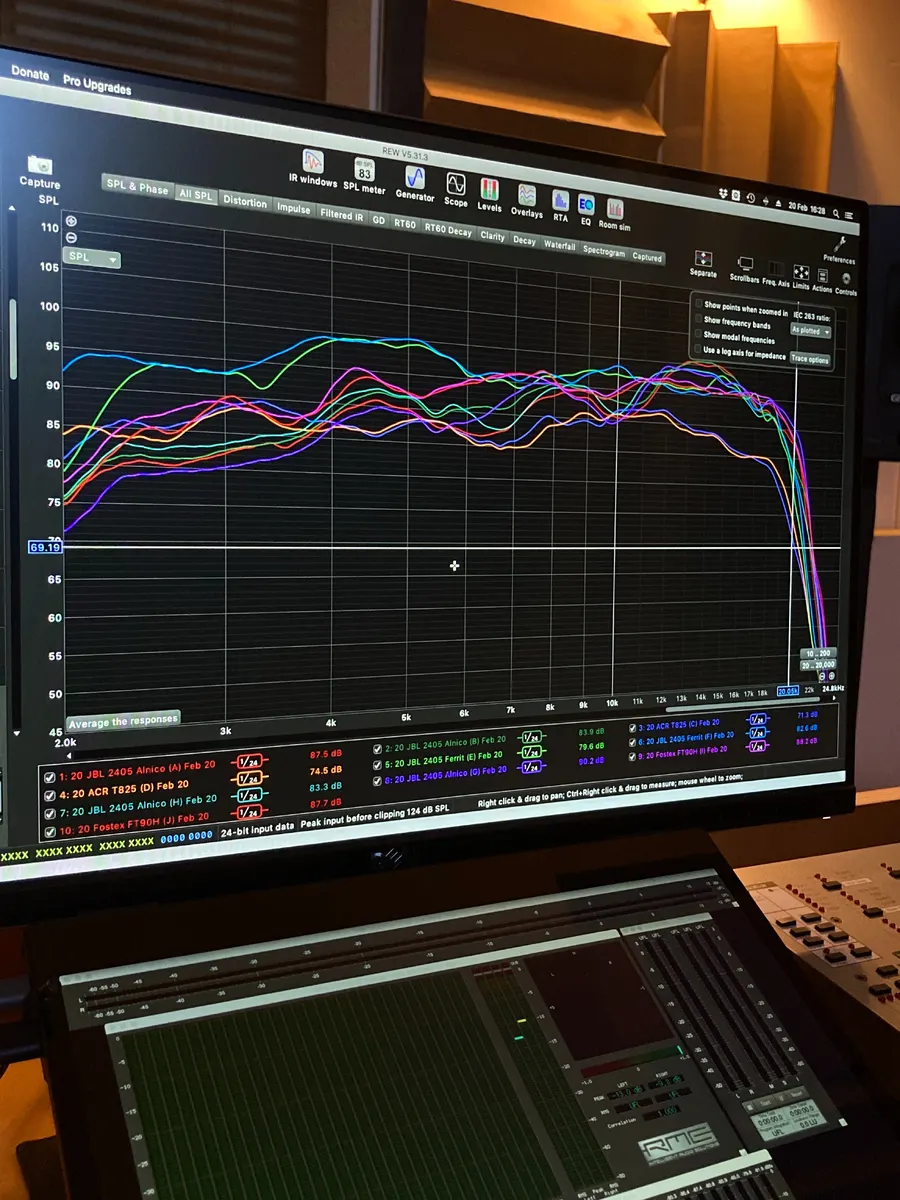
At a certain point we got a line up of 14 tweeters, including models from JBL, EV and Fostex. Some of them were lent by friends to expand the array of test pilots.
We did everything to have the same conditions for measuring: Same test signal, same positioning in the room, same distance of the microphone. Once we have recorded all the test signals, we leveled them evenly and then started to compare the curves. Here are some of the learnings we could do:
1. Mäse isch e geile Siech
2. Am Simu sini Fürz stinke
3. Tweeter si geil
Aug 18, 2026
 3
3
There’s something special about bringing old audio technology back to life — not by simply replacing what’s inside, but by understanding why it was built the way it was in the first place.
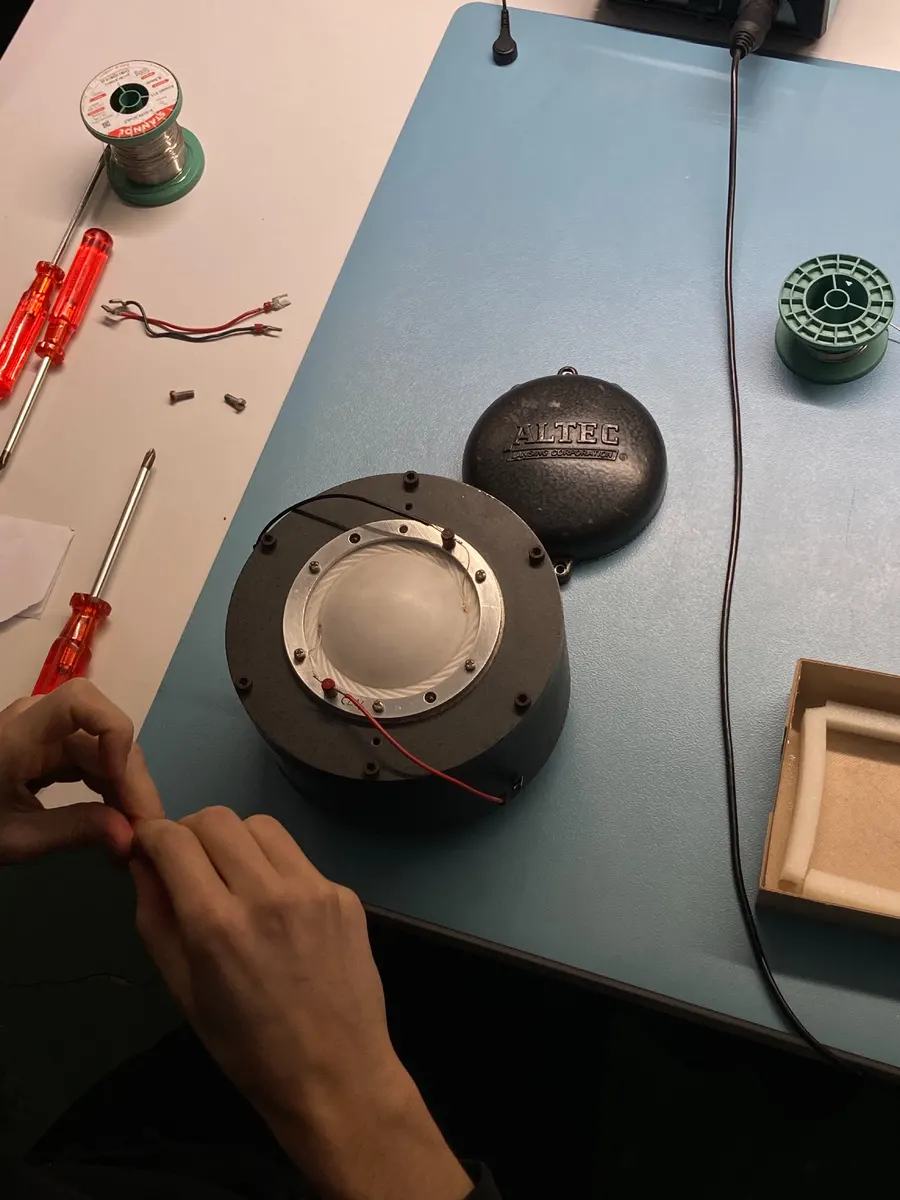
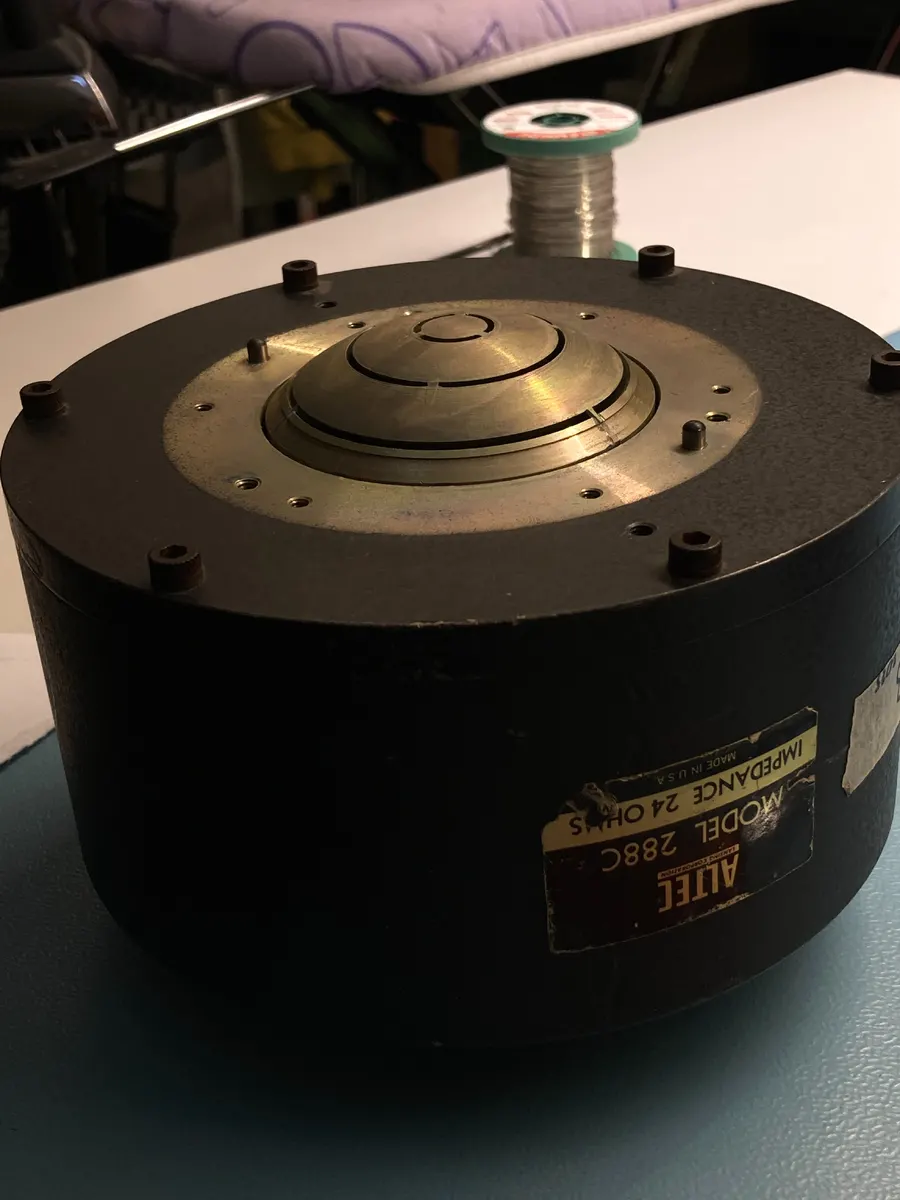
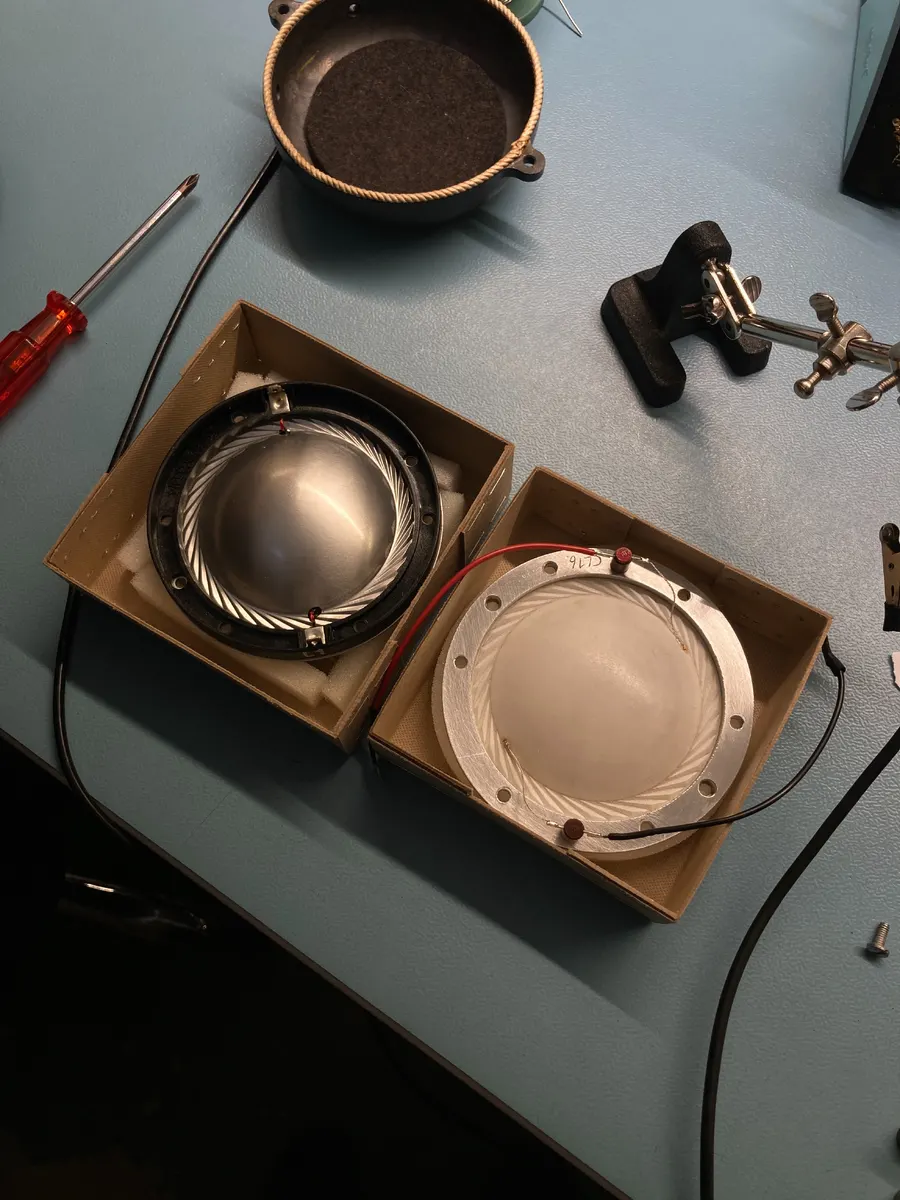
For this project, we worked on an Altec 288 driver, one of those legendary pieces of audio history that has earned its reputation through decades of use. At the heart of the driver sits its diaphragm — a deceptively simple component with an enormous influence on how the driver behaves and sounds.
Instead of using a conventional replacement, we decided to take a different approach.
We replaced the original diaphragm with a specially developed paper diaphragm, carefully chosen and adapted for this application.
Why paper?
Because diaphragm material is about much more than strength and durability. It’s about finding the right balance between mass, stiffness, resonance, damping, sensitivity and mechanical behaviour. Every material has its own character, and even small changes can have a noticeable effect on the way a compression driver reproduces sound.
The goal wasn’t to turn the Altec 288 into something completely different. We wanted to keep the fundamental character and geometry of this classic driver while exploring what a different diaphragm material could bring to the table.
The paper diaphragm offers a fascinating combination of low moving mass, controlled behaviour and a very different resonance profile. There’s also a certain natural quality to paper that is difficult to describe purely with specifications — you have to hear it.
And that’s exactly why projects like this are so interesting.
We carefully checked the mechanical fit, examined the response and, most importantly, listened to how the driver behaved in the upper frequencies and under real-world conditions.
The result is an Altec 288 with a very special paper diaphragm — combining vintage driver architecture with a carefully considered material experiment.
It’s not about saying that one diaphragm material is universally “better.” It’s about discovering what each material brings to the table.
A classic driver.
A new diaphragm.
A very old-school material.
And a lot of listening. 🔊
Aug 18, 2026
 2
2
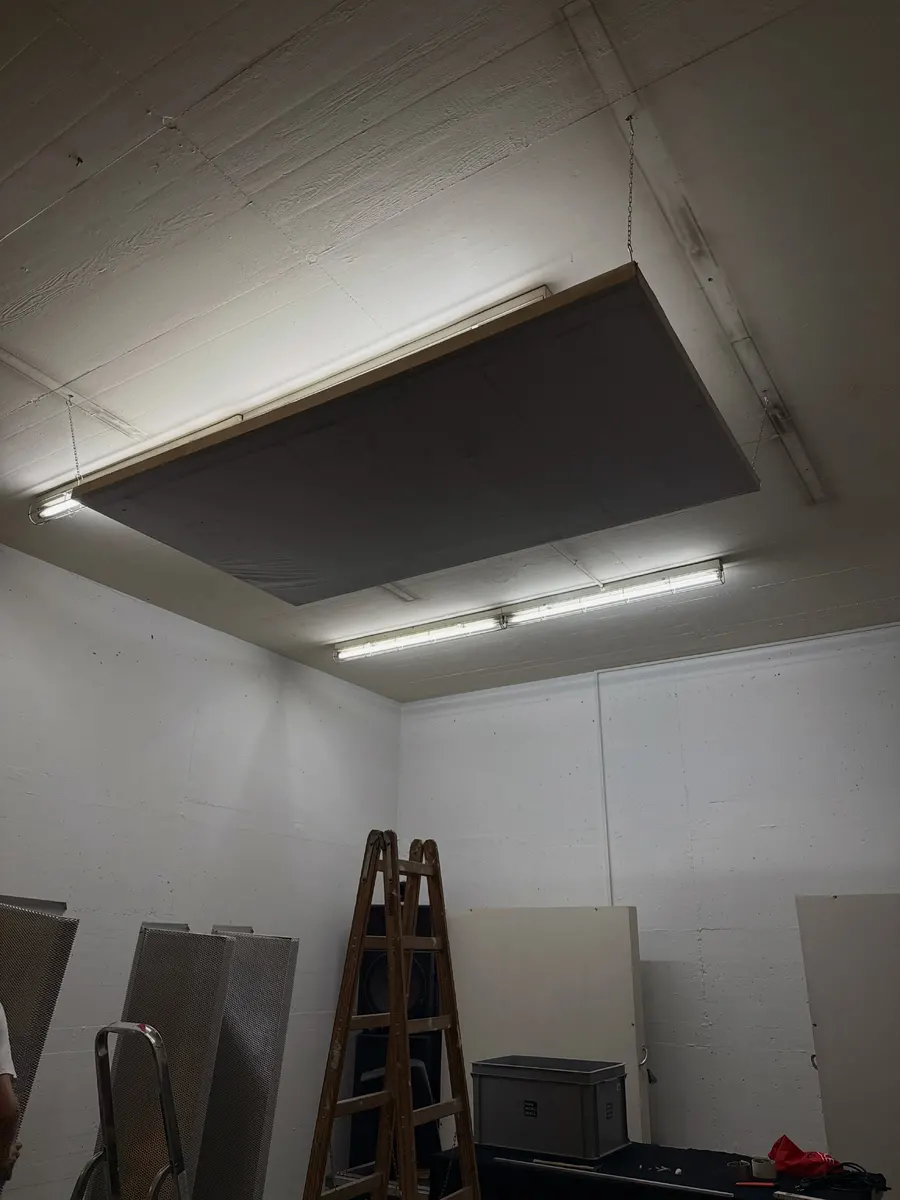
For our 10 years anniversary we did some acoustic treatment to the underground club we could use for the party.
Aug 18, 2026

Some brutalism. Built in 1942, the TV tower on the Swiss mountain Chasseral looks pretty much like a Detroit Techno 12“ sounds like.
Aug 18, 2026
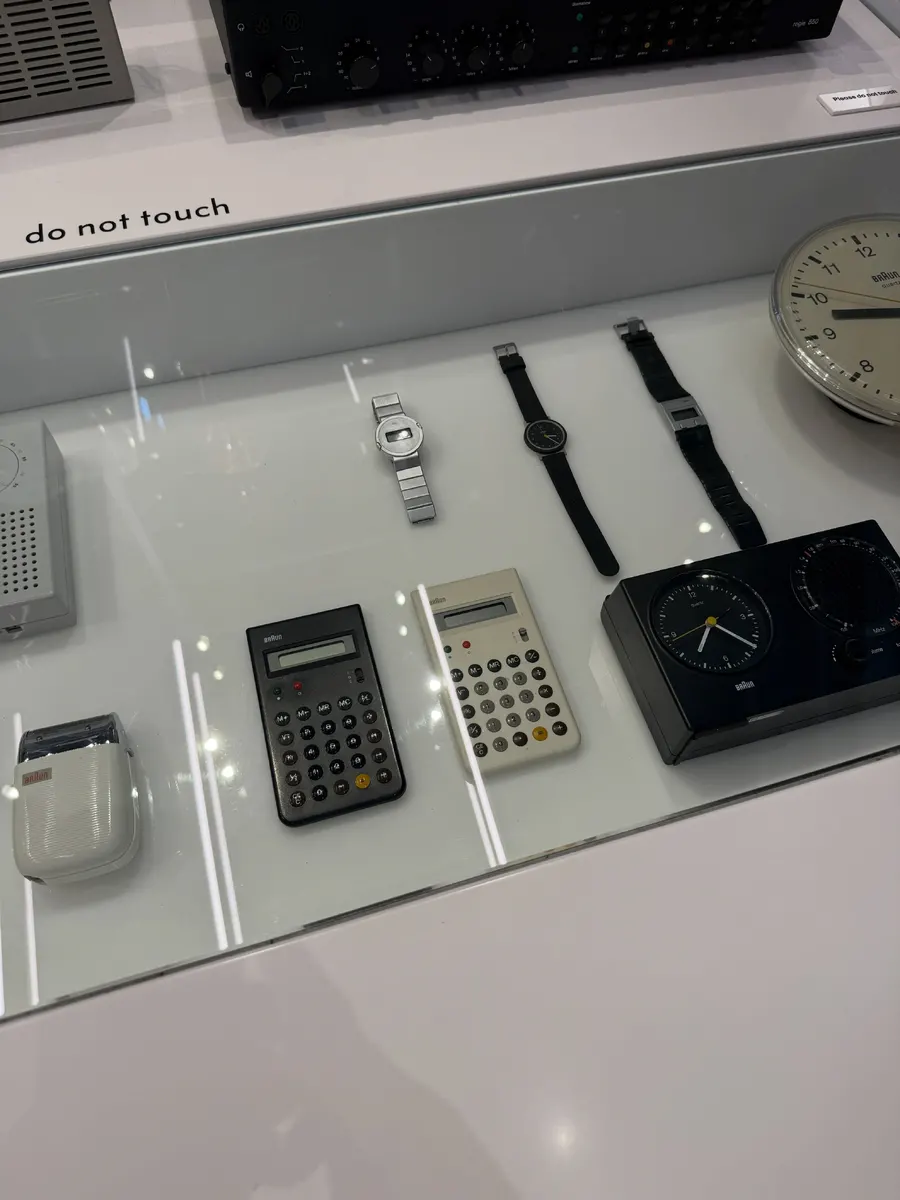
Some inspiration from the London Design Museum.
Aug 18, 2026
 3
3
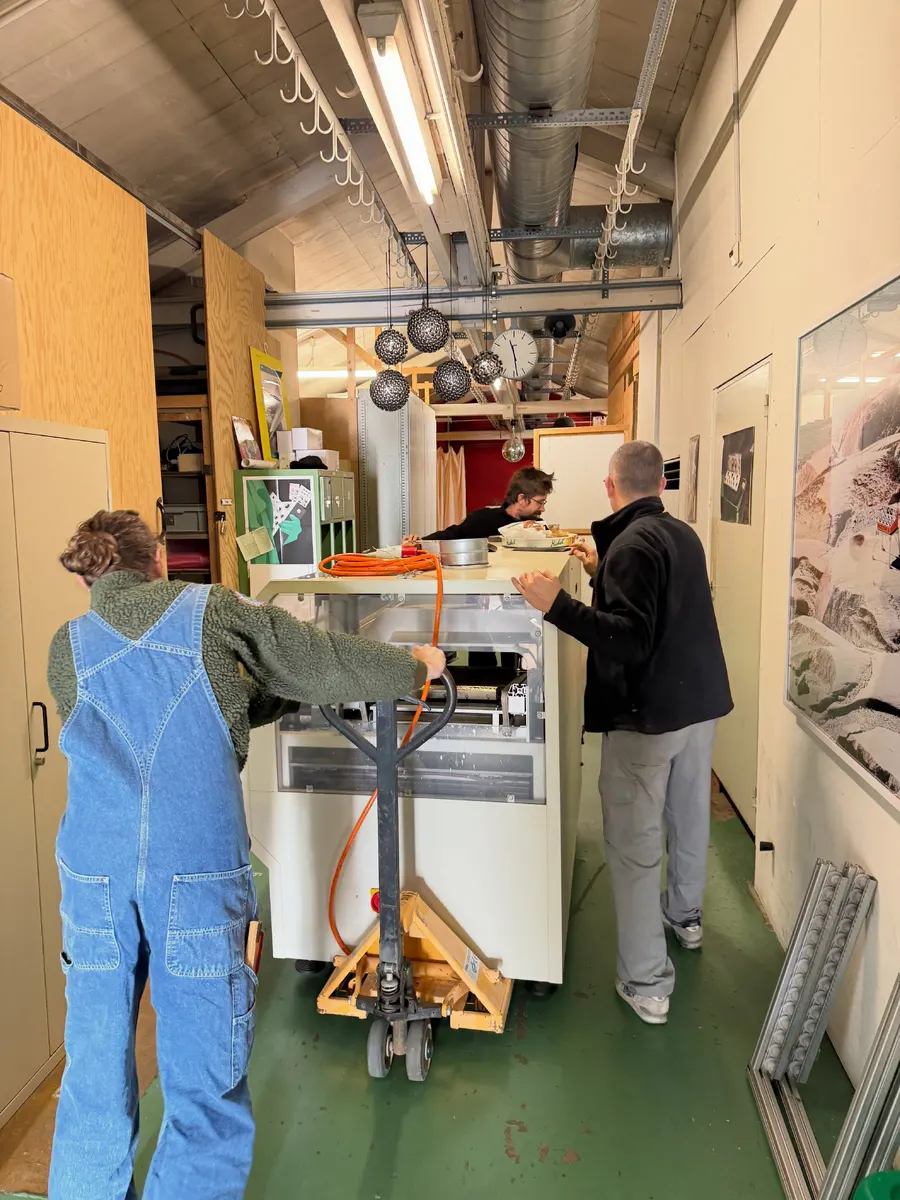
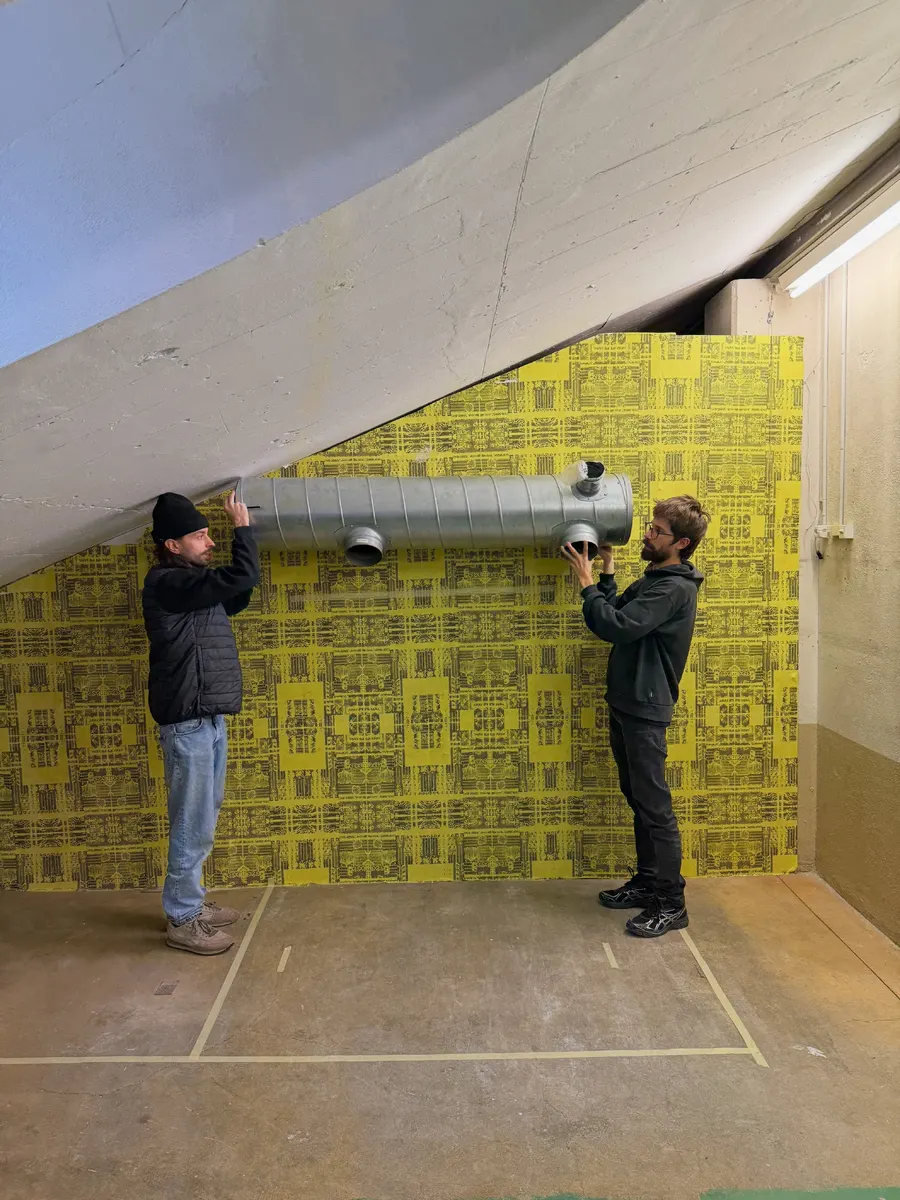
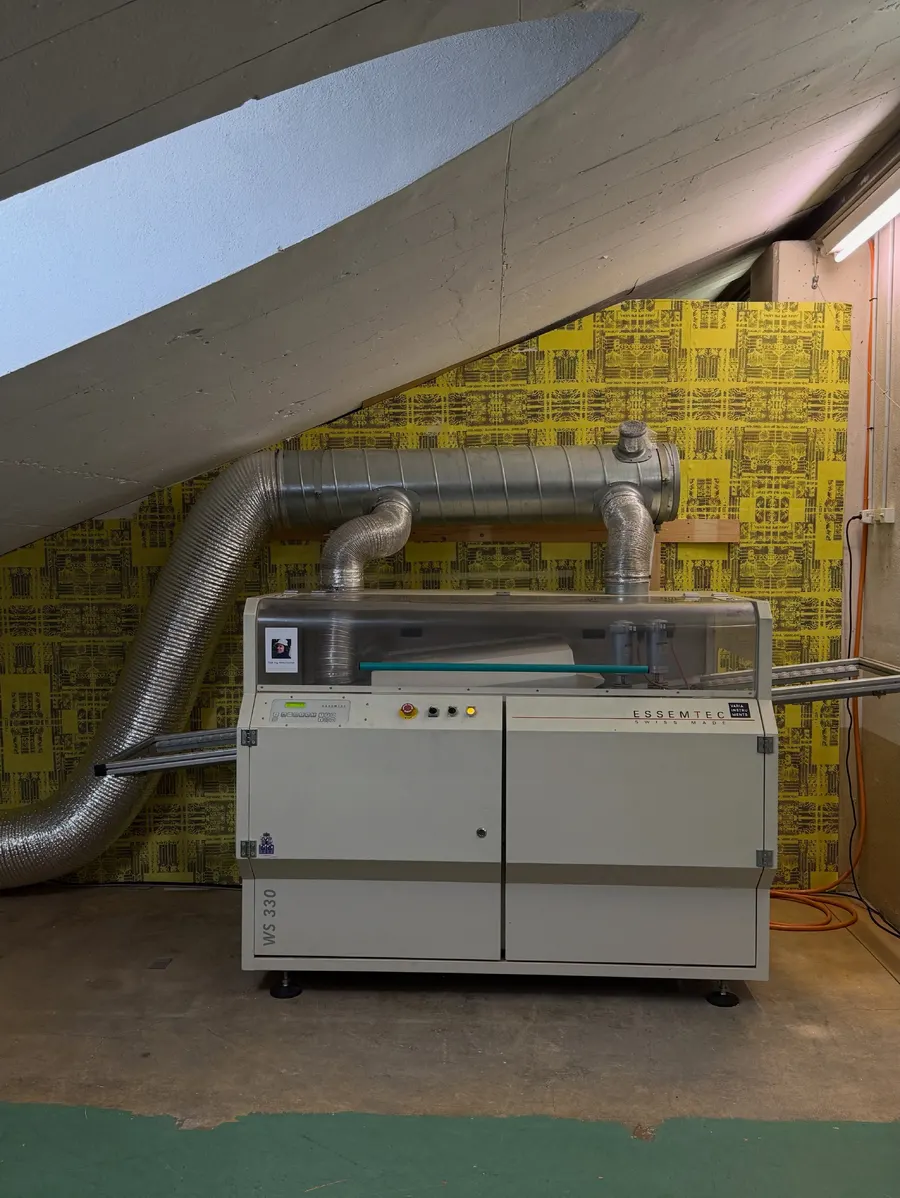
First months with the new machine… it‘s a dream!
Aug 03, 2026
